Why Quality Control Inspections are Essential before Shipping Products to Customers?
Among the many aspects of the modern supply chain, quality control plays a significant role. It is important mainly for manufacturers, distributors, wholesalers and eCommerce businesses that want to deliver reliable products. Before the products leave the warehouse, businesses must ensure the products meet the required quality standards, specifications, packaging requirements and customer expectations. Even a small defect can result in product returns, financial losses, negative reviews and damage to the reputation. Here comes the Quality control services for manufacturing Canada.
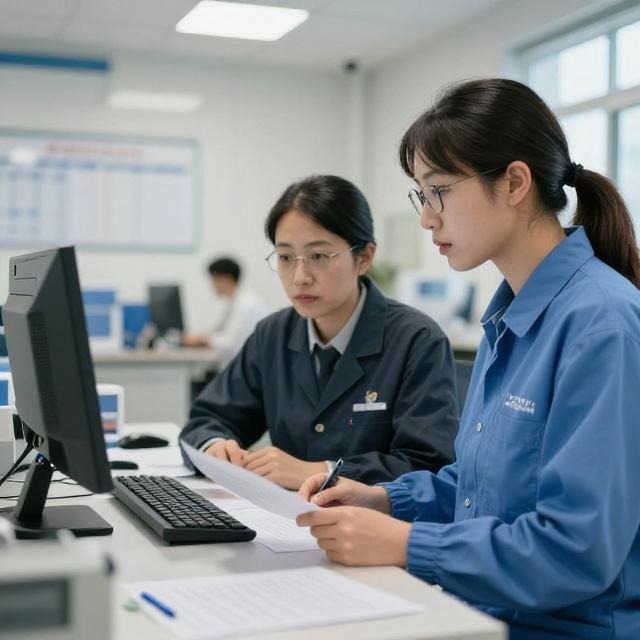
What is a Quality Control Inspection?
Quality Control Inspections are systematic checks performed to verify whether the products meet the defined quality standards, technical specifications, safety requirements, and customer expectations. The inspections before dispatch include-
- Product Appearance Examination
- Checking Dimensions
- Testing Functionality
- Labelling
- Packaging
- Checking Quantity and Documentation
Depending on the product and industry, inspections occur during manufacturing, upon warehouse receipt, during order picking, or immediately before shipping. The main aim is to identify non-conforming products before they reach customers, minimizing avoidable costs and improving supply chain reliability.
Importance of Pre-Shipment Inspection
Quality Control before inspection helps businesses identify defects, verify product quantities, and confirm that orders are ready for dispatch. Working with a professional 3PL service provider, these inspections can ensure order accuracy, reduce shipping errors, and strengthen customer satisfaction. For businesses handling large shipment volumes, implementing a structured inspection process is important in maintaining consistent product quality and operational efficiency.
Why Quality Inspection is Important Before Shipping?
Prevent Defective Products from Reaching Customers: One of the main objectives of pre-shipment quality inspection is to identify damaged, defective, or incorrectly manufactured products before dispatch. Such inspections uncover scratches, broken parts, missing parts, incorrect dimensions or functional issues. Tracing these problems before shipping allows businesses to separate defective products, arrange replacements and take corrective action. This reduces the likelihood of customer complaints and helps maintain consistent product quality.
Reduce Product Returns: Product returns can create huge expenses, including reverse logistics, replacement shipping, repackaging, inspection and inventory handling. When customers receive damaged or incorrect products, businesses may need to arrange refunds or replacements, increasing overall costs per order. The pre-shipment quality inspections help detect issues such as incorrect product variants, missing accessories, damaged packaging and mismatched order quantities before dispatch.
Customer Satisfaction and Brand Image: Customers expect the products to arrive in the perfect condition, match their descriptions and function as expected. If these expectations are not met, customers may leave negative reviews, request refunds or go to another supplier, damaging the brand’s online reputation. Pre-shipment inspections help businesses deliver orders that meet agreed specifications and quality requirements. Checking product labels, packaging integrity, order quantities and visible defects improves overall customer experience.
Compliance with Quality and Safety Requirements: Certain products must meet specific regulatory, industry or contractual requirements before they can be distributed. Based on the product category and destination, these requirements may involve labelling, documentation, material specifications, safety checks and traceability records. Quality control inspections help businesses verify applicable requirements have been addressed before shipping. A documented inspection process provides useful evidence for internal audits, supplier evaluations and quality improvement initiatives.
Improve Warehouse Efficiency: Quality inspections are not limited to checking the product’s physical condition. They also involve improving warehouse operations by identifying incorrect stock, labelling errors, picking mistakes and packaging inconsistencies. With inspections integrated into the warehouse management and order fulfillment workflows, businesses can trace discrepancies before products are loaded for transportation. This does away with last-minute corrections, shipment delays, and unwanted handling. Working with the third-party logistics service provider can make the process more efficient.
Case Study
A manufacturing business in Ontario supplying industrial parts to customers across multiple regions experienced repeated complaints involving incorrect quantities, damaged packaging and products that did not match customer specifications. These issues caused returns, added transportation costs and delayed deliveries. To address this issue, the business worked with a third-party logistics service provider that introduced a structured pre-shipment inspection process. This process included checking incoming inventory, verifying product codes and quantities against customer orders, examining packaging condition, separating damaged items and confirming dispatch documents before shipment.
The 3PL service provider also ensures a clear procedure for reporting issues and holding non-conforming products until corrective action is taken. Due to these steps, the business gained better visibility into inventory and order fulfillment, and the internal team could focus more on production and customer relationships.
This case study shows how coordinated quality control and 3PL services help reduce preventable shipping errors, improving supply chain reliability.
3PL Service Provider- Strengthen Pre-Shipment Quality Control
- They check stock quantities, product codes and SKU details against warehouse records.
- They identify visible damage, missing parts or specification discrepancies.
- They ensure order accuracy by matching picked products and quantities with customer orders.
- The professional in-house team of the 3PL service provider check cartons and ensures protective materials, seals and shipping labels are in place.
- They separate non-conforming products and report issues before dispatch.
- They confirm that approved orders are ready for shipment with required documentation.
Why are quality control inspections important? Quality control inspections before shipping are important to prevent defective products, reduce avoidable returns, protect brand image and improve supply chain performance. By identifying issues before dispatch, businesses can reduce unwanted costs and provide customers with more reliable deliveries.
Partnering with a professional and experienced 3PL service provider can further improve warehouse accuracy, inventory management, packaging standards, reduce preventable fulfillment errors and ensure shipment readiness.
FAQs
- What is pre-shipment inspection?
A pre-shipment inspection includes checking of the product condition, dimensions, quantity, labelling, packaging and shipping documentation. 3PL Anywhere offers personalized pre-shipment inspection for businesses.
- Can quality control inspections reduce product returns?
Yes, they reduce product returns.
- Which businesses need pre-shipment quality control inspections?
Manufacturers, wholesalers, distributors, retailers and eCommerce businesses can benefit from pre-shipment quality inspections to improve order accuracy and customer satisfaction. 3PL Anywhere offers the best quality pre-shipment quality control inspection services to many businesses.
About the Author
3PL Anywhere offers dependable third-party logistics solutions that help brands and organizations optimize warehousing, transportation and distribution operations. With a focus on efficiency and reliability, the brand supports effective inventory management and quality control inspections. With its personalized services, 3PL Anywhere helps businesses develop flexible and scalable logistics solutions customized to their requirements.